Editorial team ·
Count repeated broadcast images: scope and duration
Updated:
Tracking a repeated image in sports coverage requires a defined recording, a target placement and a rule for what counts as a new appearance. A count, a duration and the number of different brands answer different questions. A published Canadian study illustrates why the unit and sample must travel with the headline number.
A documented sample, not a count of every broadcast
The University of Bristol’s research announcement of 19 January 2024 describes an assessment undertaken with CBC News. It reports 3,537 gambling messages in around 21 hours of television coverage during 25–29 October 2023. The sampled coverage concerned seven NHL and NBA games shown in Ontario.
The announcement also reports that 21.6% of the total live-broadcast duration contained gambling logos or references. That percentage measures time in the described coverage. It is not the percentage of viewers who noticed a logo, the share of children who acted on a message or the proportion of all Canadian television occupied by advertising.
| Measure | Reported example | Different question |
|---|---|---|
| Message count | 3,537 in the sampled TV coverage | How many distinct brands appeared? |
| Share of duration | 21.6% containing a gambling logo or reference | How many viewers noticed it? |
| Study sample | Seven games shown in Ontario over five days | What happens in every season or region? |
Define a small adult observation separately
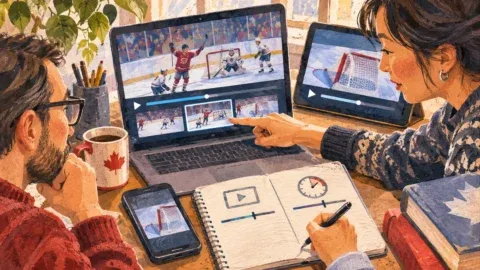
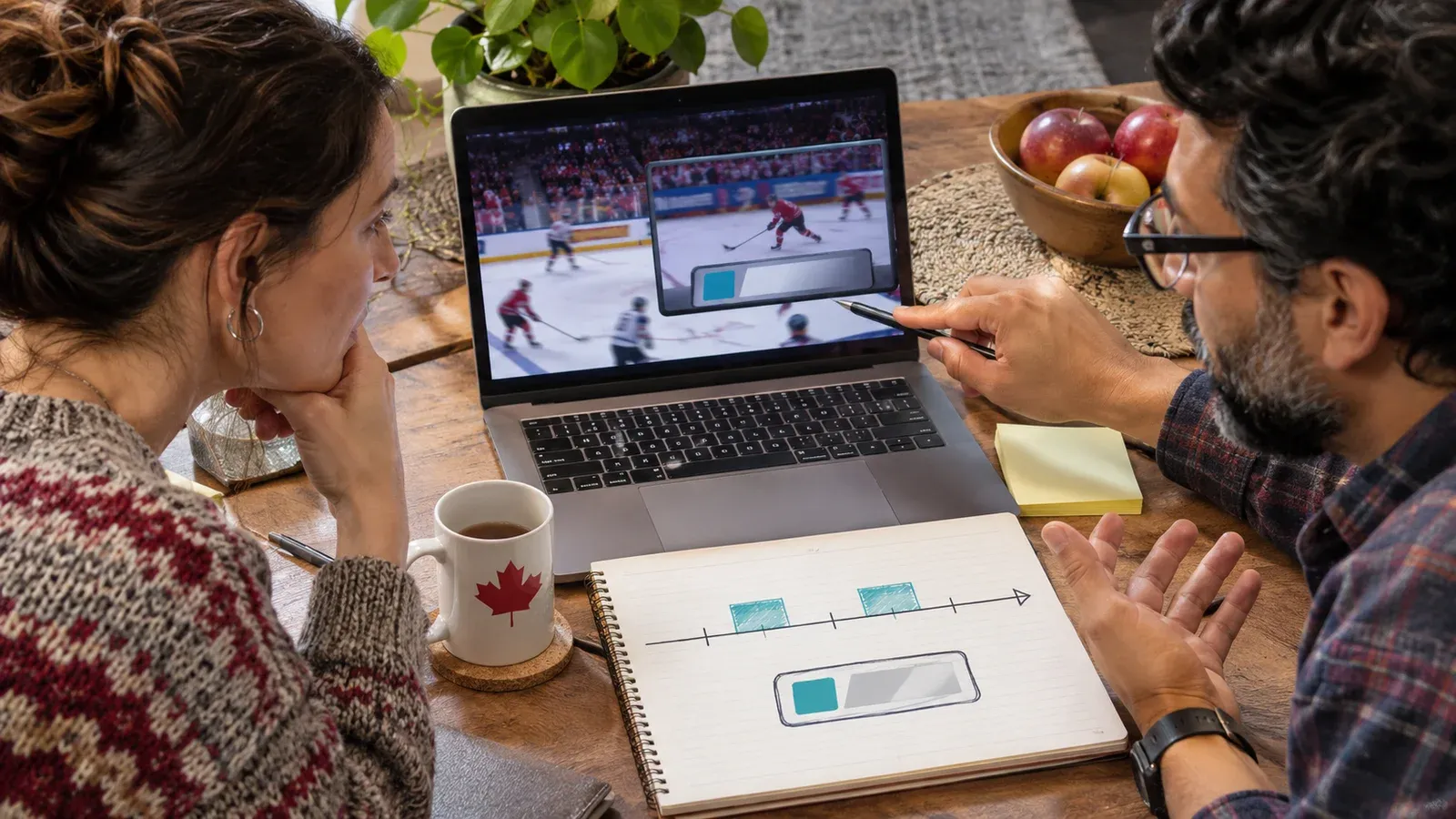
For a limited viewing exercise, an adult can select one available clip and one placement, such as a replay graphic. A working rule might treat an uninterrupted display across a camera cut as one appearance and a later return after a clear absence as another. That is a proposed rule for the exercise, not a claim about the researchers’ full coding instructions.
A mark on an arena board and a matching mark in a replay tile can be logged separately because their placements differ. Uncertain visibility should remain uncertain rather than being converted to a definite absence. A short count should identify the clip version and observation window so another adult can understand what was included.
Do not turn the exercise into an audience finding
The report link on the university’s announcement returned a document-not-found page when checked. This article therefore uses the published university summary, not a verified full codebook, raw dataset or independent recount of the games. No broadcast was timed or counted by this project, and the former fictional two-appearance log is not retained as observed evidence.
The replay’s context helps identify a placement. The paid segment and highlight need different descriptive questions. The account of a commercial break should report what was observed without repeating a promotional pitch. Sources checked on 20 November 2026. This is adult media analysis, not an invitation to seek out betting promotions or infer an individual child’s response.