How parents can recognise a sportsbook ad during a game
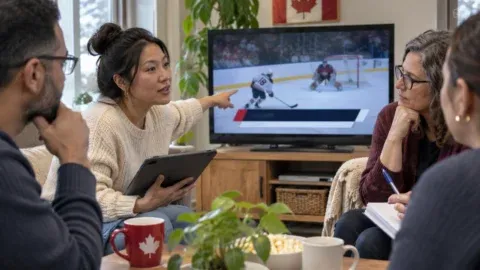
Practise spotting sportsbook advertising on a made-up broadcast. Look for the label, the speaker, and what the message asks someone to do.
Use a fictional screen to tell a score, a performance statistic, and displayed betting odds apart during an adult discussion about sports media.
Read a fictional sponsored replay and a match update side by side. See which clues identify the bookmaker connection and which support a sports claim.
Write a short note about a fictional commercial break. Include what appeared and when, and leave the promotional wording out of the retelling.
Draft a school sports update with teams, times, and venue details first, then use a clearly named line for the organisations supporting the event.
TDSB distinguishes bus cancellations, school opening and individual sports activities. A forwarded notice needs its date, affected group and current issuing source.
A Bristol/CBC assessment reports a defined Ontario TV sample. Its message count and duration measure differ from a small viewing exercise or a claim about audience behaviour.
Choose a short example, decide what the class should notice, and make it possible to join without showing anyone’s family viewing habits.
Match an on-screen credit, an announcement, and a parent’s recollection to the questions each can answer about a fictional sponsorship.
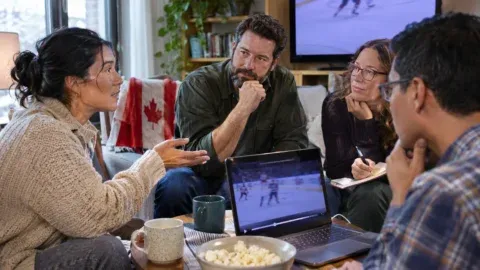
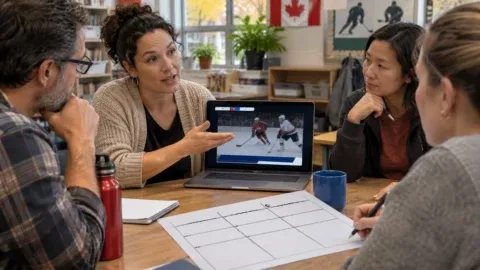
Give an adult-led group three places to write down a moment, a clue, and a question. Use a made-up broadcast so everyone sees the same material.