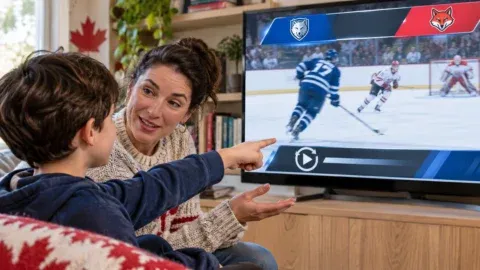
Where to look for a paid-material label in a sports broadcast
Check the opening card, on-screen strip, and final frame of a fictional segment. Each location can give a different clue about who is speaking.
Compare two edits of an invented clip and look for changes in wording, speaker, and on-screen labels that help identify commercial copy.
Try a short way to pause a family or parent-group discussion, save the point people disagree on, and come back when there is time.
Sort three lines of fictional sports commentary and see which can be checked against the match record and which express an interpretation or forecast.
Adapt a shared viewing worksheet for classroom time, varied reading levels, and students who prefer to participate without speaking to the whole group.
Wimbledon identifies Rolex as Official Timekeeper. That attributed role differs from a team label, an examined broadcast placement or a recommendation to buy or bet.
Follow one clip back to a score update and a replay credit. Record the frames before and after so another viewer can find the same moment.
Compare two fictional clips of the same game. Look at who published them, why they were made, and which parts of the match they show.
A short conversation about a fictional broadcast helps two parents separate what they remember seeing from what they can point to in a replay.
Apple’s notification controls govern visibility and delivery. A preview or generated summary still needs its message context; an app icon does not classify an alert as reporting.